Victorian terrace moves in Bromley: access solutions
Moving out of a Victorian terrace in Bromley can be charming on paper and awkward in real life. Narrow front paths, tight hallways, steep stairs, awkward parking, and the lovely old habit of homes being built before modern vans existed all add up. If you are planning Victorian terrace moves in Bromley: access solutions, the job is less about brute force and more about good planning, patient handling, and the right vehicle size for the street. That is the difference between a move that feels controlled and one that turns into a sweaty, stop-start shuffle by 8:30 in the morning.
This guide walks through the access challenges that usually come with Bromley's Victorian terraces, how removal teams work around them, what to check before moving day, and which options make life easier when space is tight. It is written for people who want practical answers, not glossy nonsense. Because let's face it, when a sofa catches on a stair turn, nobody cares about theory.
Table of Contents
- Why access solutions matter in Victorian terrace moves
- How access planning works in practice
- Key benefits and practical advantages
- Who this is for and when it makes sense
- Step-by-step guidance
- Expert tips for better results
- Common mistakes to avoid
- Tools, resources and recommendations
- Law, compliance, standards and best practice
- Options and comparison table
- Case study or real-world example
- Practical checklist
- Conclusion
- Frequently asked questions
Why Victorian terrace moves in Bromley: access solutions Matters
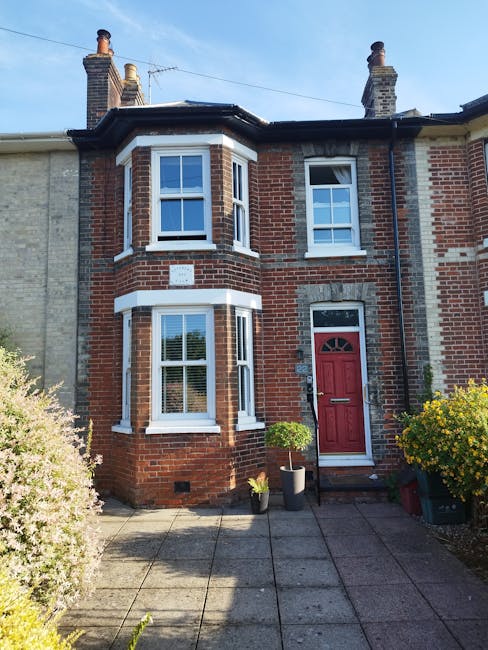
Victorian terraces were not designed with today's furniture, appliances, or moving trucks in mind. In Bromley, many of these homes sit on residential streets where parking can be tight, front gardens are small, and the doorway is a bit too narrow for comfort. Even where the house is well-kept and spacious inside, the access path from street to front room can be the real bottleneck.
Access matters because every part of the move depends on it. If the van cannot park close enough, the carrying distance increases. If the staircase has a sharp turn, wardrobes may need to be dismantled. If the hallway is narrow, even a standard mattress can need careful rotation and a second pair of hands. One small access issue can slow the whole day down.
In practice, this is where a good moving plan earns its keep. You do not need a dramatic solution for every terrace, but you do need the right combination of vehicle choice, team size, packing discipline, and timing. That is especially true in Bromley, where busy roads, school runs, and parking pressure can all make a straightforward job feel a bit more complicated than expected.
Key takeaway: In terrace moves, access is not a side issue. It is the main operational issue. Get the access plan right, and the rest of the move becomes much calmer.
Many homeowners focus on boxes first and access second. Fair enough, boxes feel more obvious. But the real question is: how will the sofa, bed, fridge, and wardrobe actually leave the property? That is the detail that saves time, backache, and those little moments of panic on the doorstep.
How Victorian terrace moves in Bromley: access solutions Works
Access solutions are basically the methods used to move items safely when the property layout, street layout, or both make things awkward. For a Victorian terrace, that usually means planning the route from bedroom to van before anything heavy gets lifted.
A removal team will usually look at a few things:
- the width of the hallway, stairs, and door frames
- the presence of sharp corners or narrow landings
- street parking availability and distance from the front door
- whether items need dismantling before removal
- the size of the furniture compared with the property access
- any need for protective covers, sliders, straps, or trolleys
If you are using a man and van style service for a smaller move, access planning becomes even more important because the team and vehicle size need to match the job. For larger households, a fuller service such as house removalists or a tailored home moves service may be better suited to narrow terraces, especially if multiple bulky items need to come out in a short window.
There is usually a simple sequence behind the scenes:
- Survey the property access. This can be done by photos, a quick call, or a visit if needed.
- Plan the route. The team maps out the easiest path for larger items.
- Choose the vehicle. Sometimes a smaller van is better than a huge truck, especially on a tight street.
- Prepare items. Beds, tables, and wardrobes may need disassembly.
- Protect the property. Door frames, banisters, and flooring are covered where appropriate.
- Load in a smart order. Heavier and more awkward items are handled first, before the van turns into a puzzle box.
The practical bit here is simple: the best access solution is the one that reduces friction without adding unnecessary cost. You do not want a massive vehicle blocking the whole road if a smaller one can do the job better. Equally, you do not want to underbook and end up making three trips because the van was too small. Bit of a Goldilocks problem, really.
For some moves, especially where only a few items are involved, a man with van option can be a useful middle ground. For others, larger loads may justify a removal truck hire approach, provided the street access can actually handle it.
Key Benefits and Practical Advantages
The main benefit of proper access planning is obvious: less stress. But there are several more practical advantages that matter just as much.
- Faster loading and unloading. When the route is thought through in advance, there is less stopping and starting.
- Lower risk of damage. Fewer awkward turns means fewer scuffs on walls, chipped paint, and scraped furniture edges.
- Less physical strain. A sensible access plan reduces unnecessary lifting and carrying.
- Better timing. Moves stay closer to schedule, which matters if parking is limited or you have key handover deadlines.
- More accurate pricing. When the team understands access constraints, the quote tends to reflect the real job more closely.
There is also a quiet psychological benefit. A move feels easier when the team looks in control. People notice that. When boxes are stacked neatly, the van is parked properly, and the big wardrobe comes through the door without a near miss, the whole day feels less chaotic. Small detail, big difference.
Access planning can also help with related tasks such as packing and unpacking. If you know the narrowest doorway in advance, you can pack with that in mind. If a certain chair will not fit upstairs, you can decide early whether it should go in the loft, stay downstairs, or be sold. That is where packing and unpacking services can be genuinely helpful, especially for busy households who do not want to spend the evening hunting for kettle leads and toothbrushes.
And for anyone clearing out one or two large pieces at the same time, a service such as furniture pick-up may be useful for separating out items that are not coming to the new place. That reduces clutter on moving day. Nice and tidy. Much easier.
Who This Is For and When It Makes Sense
This kind of access planning is useful for a wide range of people, not just those with particularly awkward houses. If your home is a Victorian terrace in Bromley, you are already in the zone where careful planning pays off.
It makes sense if you are:
- moving from a two-up, two-down terrace with steep stairs
- handling a family move with bulky furniture
- trying to move on a busy street with limited parking
- selling or replacing large pieces and want to avoid damage
- moving on a tight schedule and cannot afford delays
- unsure whether a van, truck, or full removal crew is the right choice
It is also relevant if you are combining home and work logistics. Some people move house and then, three days later, have to relocate a home office or a small business setup. In that case, services like office relocation services or even commercial moves can provide the right vehicle and handling approach for equipment that needs extra care.
Not every terrace move needs a large crew. A lighter move with a few boxes, a bed frame, and a sofa may only need a compact team and vehicle. But once you add a dining table, washing machine, wardrobes, and a pile of bags from the loft, the access strategy becomes much more important. That is usually the point where people think, oh, actually, this is a bigger job than I told myself.
Step-by-Step Guidance
Here is a practical way to approach a Victorian terrace move in Bromley without overcomplicating it.
1. Walk the route before move day
Start inside the home and walk the exact path that each large item will take. Look at doors, corners, stair turns, railings, and any narrow points. If your shoulders brush the wall while carrying a laundry basket, that is a clue.
2. Measure the awkward items
Measure sofas, mattresses, wardrobes, and tall appliances. Measure the door opening too. Sometimes the item is technically manageable, but only if it is angled correctly. That tiny bit of knowledge saves a lot of guesswork.
3. Identify what must be dismantled
Flat-pack furniture, bed frames, and some tables are easier to move in parts. Dismantling at the right time prevents a last-minute struggle at the front door. Keep fixings in labelled bags. Trust me, future-you will be grateful.
4. Check parking and street access
Think about where the vehicle can realistically stop. A giant truck may not be the sensible answer if the street is narrow or lined with resident parking. In some cases, a smaller moving vehicle or a flexible moving truck arrangement is better than forcing a larger vehicle into a bad fit.
5. Pack for carrying, not just storage
Heavy boxes are awkward on stairs. Keep weight manageable and distribute it properly. Put essential items in a separate easy-access bag so they do not get buried under winter coats and random chargers. Because, honestly, chargers have a habit of vanishing at exactly the wrong moment.
6. Protect the property
Cover corners, banisters, and floors where needed. Older Victorian features can be beautiful, but they do not forgive careless dragging. A good team will respect that and work around it calmly.
7. Load strategically
The loading sequence matters. Heavier items usually go in first, but the exact pattern depends on item shape and access. A neat, planned load also makes unloading at the new property much smoother.
8. Keep the exit clear
During the move, keep hallways free from loose bags, pet bowls, trailing cables, and extra clutter. A clear path keeps the job moving and cuts the chance of a trip or dropped item.
Expert Tips for Better Results
These are the small things that often separate a decent move from a genuinely smooth one.
- Book the right size vehicle, not the biggest one. Bigger is not always better on a Bromley terrace street.
- Share photos early. A few pictures of stairs, front steps, and the parking situation can help a moving team judge access far more accurately.
- Clear the hallway the night before. It sounds obvious. People still forget. Then someone is stepping over a shoe rack at 7:15 in the morning.
- Separate fragile items from awkward items. A mirror wrapped safely should not be balanced next to a heavy toolbox.
- Plan for weather. A wet doorstep or muddy path can slow carrying down, especially with older property entrances.
- Label by room and priority. This speeds up unloading and helps people find essentials fast.
In our experience, the best terrace moves are the ones where the customer gives honest information early. If the wardrobe is huge, say so. If the street is tight, mention it. If there is only one parking spot for three houses, that matters. No one is judging. It simply lets the team build a realistic plan.
Another useful habit: keep one small box or tote bag aside with tea bags, toiletries, phone chargers, medication, and the keys you need first. The first hour in a new home can feel like controlled chaos, and that little bag cuts the edge off.
Common Mistakes to Avoid
A lot of moving stress comes from avoidable slips rather than big disasters. These are the usual troublemakers.
- Ignoring access until the van arrives. By then, it is too late to rethink the whole plan.
- Assuming large furniture will fit because it got into the house once. That is not always a reliable guide. Getting in and getting out can be different problems.
- Underestimating stair turns. Victorian staircases can be deceptively tricky, especially with banisters and narrow landings.
- Packing boxes too heavily. A box that is fine on the floor can be miserable halfway down the stairs.
- Not confirming parking. Even a perfect moving team loses time if they have to park half a street away.
- Leaving dismantling to the last minute. That is how stressful mornings start.
One classic mistake is assuming a service quote covers everything without explaining access. If the team thinks they can park outside and there is actually a long carry from the corner, the day will feel different for everyone involved. Better to be specific from the start.
And please, if a sofa clearly will not make a turn, do not try to "just give it one more push." That sentence has caused a great deal of sighing over the years.
Tools, Resources and Recommendations
You do not need specialist kit for every move, but a few simple tools make Victorian terrace access much easier.
| Tool or approach | Why it helps | Best used for |
|---|---|---|
| Furniture blankets | Protects items and walls from scuffs | Sofas, drawers, timber furniture |
| Ratchet straps | Secures loads inside the vehicle | Mixed household items |
| Furniture sliders | Helps shift heavy pieces across floors | Wardrobes, cupboards, appliances |
| Tool kit | Makes dismantling and reassembly quicker | Beds, tables, modular units |
| Labels and tape | Keeps boxes and fixings organised | Whole-home packing |
| Photo check of access | Helps judge space and turning points | Any terrace or narrow property |
If you are hiring help, it is worth exploring the full range of services that may fit your move. For example, a straightforward home move may suit home moves, while a smaller or more flexible load may suit man and van. If you need a more structured moving setup, the site also offers house removalists and removal truck hire, depending on the size and complexity of the job.
For first-time movers, the most useful "resource" is often a good pre-move conversation. A few accurate details can save a lot of effort. That is not glamorous, but it works.
Law, Compliance, Standards, or Best Practice
There are a few practical and legal-minded points worth keeping in view, even though moving home is not the same as a regulated construction job.
First, access to the property and use of the public road should be handled responsibly. If a vehicle needs to stop in a restricted or congested area, it is sensible to plan this carefully and follow local parking rules. Bromley streets can be busy, and nobody wants avoidable disruption for neighbours. That part is just common sense, really, but common sense is often the most valuable compliance tool.
Second, moving teams should work safely around stairs, heavy loads, and older features such as worn steps, original banisters, and uneven thresholds. A careful approach protects both people and property. Good practice includes clear communication, sensible lifting, and avoiding rushed carries when the route is tight.
Third, if you are arranging the move yourself, check what your insurer or letting agent expects regarding damage, keys, or building access. Details vary, so it is wise to confirm things early rather than assume everything will be fine on the day. Usually, it will be fine. But usually is not the same as definitely.
Fourth, if you are disposing of items, make sure unwanted furniture is handled responsibly. If you have large items that are not going with you, services like furniture pick-up can be part of a tidy, practical exit plan. Less clutter, less strain, fewer surprises.
The broader best practice here is simple: be honest about access, be careful with shared space, and avoid making the street or pavement your storage area unless the plan genuinely allows it. A move that respects the property and the neighbourhood always goes more smoothly.
Options, Methods, or Comparison Table
Not every Victorian terrace move in Bromley needs the same setup. The right method depends on load size, access difficulty, and how much help you want on the day.
| Option | Best for | Access strengths | Watch-outs |
|---|---|---|---|
| Man and van | Small to medium moves | Flexible, quicker to position on tight streets | May be limited for larger household loads |
| Man with van | Smaller moves or lighter loads | Useful where access is tight and item count is modest | Less ideal for lots of heavy furniture |
| House removalists | Full household moves | Better for organised, multi-room moving | Needs more coordination and space planning |
| Removal truck hire | Larger loads or self-managed moves | Good if you have a loading plan and enough street space | Can be awkward on narrow roads if oversized |
As a rule of thumb, the tighter the access, the more valuable flexibility becomes. That is why a smaller vehicle can sometimes outperform a bigger one. It is not about looking impressive outside the house. It is about getting the job done without a logjam.
If you are still comparing options, think about what matters most: speed, price, carrying help, or loading capacity. For some families, the answer is a balanced home moves package. For others, a simpler vehicle-only approach is enough. There is no one right answer, and that is okay.
Case Study or Real-World Example
Picture a typical Bromley terrace move on a mild weekday morning. The house has a narrow front path, one steep internal stair run, and a sofa that looks innocent until you try to turn it at the landing. The street is busy but not impossible. Parking is the issue.
Rather than sending in the largest vehicle available, the move is planned around access. The team arrives with a vehicle that can park close enough without blocking too much of the road. Bulky items are taken apart where needed. The wardrobe doors come off first, then the bed frame, then the mattress. Boxes are grouped by room so the unloading stage is not a guessing game.
One resident keeps the hallway clear, another points out the narrow turn by the stair bottom, and the team protects the banister before lifting anything heavy. A large mirror is wrapped and moved separately. Nothing dramatic happens. Which is a nice change, to be fair.
By the end, the move feels organised rather than frantic. That is the real goal with terrace access planning: not perfection, just fewer delays, fewer knocks, and fewer moments where everyone has to suddenly stand still and re-think the sofa.
Practical Checklist
Use this checklist in the days before moving.
- Measure key furniture and note anything especially bulky
- Check the width of hallways, stairs, doorways, and landings
- Confirm where the vehicle can park closest to the property
- Photograph access points and any awkward corners
- Dismantle beds, large tables, and other awkward pieces in advance
- Pack heavy boxes lightly enough to carry safely on stairs
- Label boxes by room and priority
- Keep essentials in a separate easy-access bag
- Protect floors, corners, and banisters where needed
- Tell the moving team about any access constraints early
- Arrange help for unwanted furniture or leftover items
- Double-check keys, handover times, and the moving schedule
If you want support with the moving load itself, a practical starting point is often a conversation about the size of the job and the access on your street. From there, you can decide whether a smaller van, a full removal crew, or a more flexible arrangement makes most sense. If you are ready to explore options, it is worth speaking to the team via contact us and checking who they are and how they work through about us.
Conclusion
Victorian terrace moves in Bromley are rarely difficult because of one big problem. More often, it is a handful of small access issues stacked together: a tight doorway, a tricky turn, limited parking, a sofa that is just a touch too confident. The good news is that all of it can be managed with a proper plan, the right vehicle, and a team that understands how old houses behave.
When you treat access as the centre of the move rather than an afterthought, everything becomes more predictable. Items fit better, the route is clearer, and the day feels calmer. Not effortless. Just calmer. And that matters more than people sometimes admit.
Get a free quote today and see how much you can save.
Whether you are moving a whole family home or just trying to get the biggest furniture safely through a stubborn terrace staircase, the right access solution can turn a stressful day into a manageable one. And that, honestly, is a very good thing.
Frequently Asked Questions
What are the main access problems in Victorian terrace moves in Bromley?
The most common issues are narrow hallways, steep stairs, tight front doors, small landings, and limited parking near the property. Older terraces often have beautiful layouts, but not always practical moving space.
Do I need a full removal crew for a Victorian terrace move?
Not always. Smaller moves can often work well with a man and van or man with van service. If you have lots of bulky furniture, several rooms of belongings, or difficult access, a fuller team is usually more suitable.
How do movers deal with furniture that will not fit through the stairwell?
They may dismantle the item, remove legs or doors, protect the property, or in some cases change the carrying route. The right approach depends on the shape of the item and the staircase layout.
Is parking always a problem on Bromley terrace streets?
Not always, but it is common enough to plan for. Residential parking, narrow roads, and busy daytime traffic can all affect how close the van can get to the front door.
Should I measure my furniture before booking a move?
Yes, absolutely. Measuring large items helps determine whether they can be carried safely and whether they need dismantling. It also helps the moving team choose the right vehicle and crew size.
What if my sofa is too big for the doorway?
That does happen. A sofa may need to be turned, partially dismantled, or taken out another way if available. If it is clearly too large, tell the mover early so they can plan properly.
Can a smaller van be better than a bigger truck for terrace moves?
Yes. On tight Bromley streets, a smaller van can sometimes be easier to park and unload. Bigger is not automatically better if access is limited.
How early should I arrange access planning?
Ideally as soon as you know your moving date. Even a simple photo review of the hallway, stairs, and street can help identify issues well before moving day.
What should I pack separately for easier access and unloading?
Keep essentials such as chargers, toiletries, medication, kettle items, and important documents in a separate bag. It helps when the rest of the house is still boxed up and you need the basics fast.
Are there compliance or safety issues I should think about?
Yes. Use safe lifting practices, keep routes clear, respect parking and street use, and protect the property from damage. If you are unsure about a particular access issue, ask the moving team before the day arrives.
What is the easiest way to reduce damage during a terrace move?
Measure carefully, dismantle awkward furniture, protect walls and banisters, and keep the access route clear. Careful planning is usually more effective than rushing on the day.
Can I combine furniture disposal with my move?
Yes, and it often makes the move easier. Unwanted items can be separated in advance so they do not take up space in the van or cause clutter at the door. That leaves you with less to manage, which is always welcome.