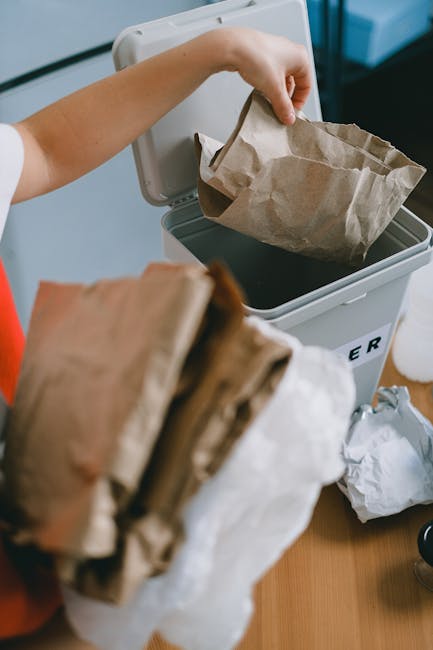
London Borough of Bromley: household waste rules
If you live in Bromley, household waste can feel simple right up until it isn't. One week everything goes out neatly, the next you've got a broken chair, garden trimmings, food scraps, a black sack that seems too full, and a nagging worry that you've missed something. That is exactly why understanding the London Borough of Bromley: household waste rules matters. Get it right, and collections are smoother, your street stays tidier, and you avoid the kind of avoidable hassle that always seems to appear on a Monday morning.
This guide breaks the topic down in plain English: how household waste is usually expected to be presented, what needs separating, what tends to cause problems, and how to handle items that don't fit neatly into the normal bin system. If you are planning a move as well, it can be helpful to organise packing and bulky-item disposal at the same time, especially if you are using home moving support or need help shifting awkward items with a man and van service. That way, you are not leaving old clutter to grow legs in the hallway.
Below, you'll find practical advice, a comparison table, a checklist, and answers to the questions people most often ask. No fluff. Just the stuff that actually helps.
Table of Contents
- Why London Borough of Bromley: household waste rules Matters
- How London Borough of Bromley: household waste rules Works
- Key Benefits and Practical Advantages
- Who This Is For and When It Makes Sense
- Step-by-Step Guidance
- Expert Tips for Better Results
- Common Mistakes to Avoid
- Tools, Resources and Recommendations
- Law, Compliance, Standards, or Best Practice
- Options, Methods, or Comparison Table
- Case Study or Real-World Example
- Practical Checklist
- Conclusion
- Frequently Asked Questions
Why London Borough of Bromley: household waste rules Matters
Household waste rules are not just about being tidy, although that does help. They exist so collections are safe, efficient, and fair for everyone in the borough. When waste is mixed incorrectly or left out in the wrong way, the knock-on effect is usually obvious: missed collections, overflowing bins, pests, odours, and more litter than anyone wants on the pavement.
In practical terms, Bromley households benefit when everyone follows the same basic system. Food waste goes where it should. Recycling stays clean enough to be processed. General rubbish is contained. Bulky items are dealt with separately. It sounds obvious, but let's face it, everyday life gets busy. One missed bag can turn into three. Then a broken chair appears. Then there is packaging from a new sofa, and suddenly the front path looks like a mini depot.
There is also a cost angle, even if it is not always visible on the surface. Correct sorting helps reduce contamination, which supports more efficient waste handling. Less contamination usually means fewer rejected loads and less unnecessary strain on collection services. That matters in a busy London borough where streets, access, and parking can already complicate waste collection.
If you are clearing a property after a renovation, a tenancy change, or a family move, knowing the rules early helps you plan the job properly. It can save a lot of back-and-forth, especially when you are already juggling boxes, keys, and a builder who says he'll be "five minutes" and somehow isn't.
How London Borough of Bromley: household waste rules Works
At a high level, Bromley households are usually expected to separate different types of waste into the right streams: general waste, recycling, food waste, garden waste where applicable, and bulky or special items that do not belong in normal bins. The exact operational details can vary depending on property type, collection arrangements, and local service updates, so the safest approach is to follow the current instructions provided for your home.
The basic logic is straightforward:
- General waste is for items that cannot be recycled or composted through the normal household system.
- Recycling is for suitable clean, dry materials accepted in the recycling stream.
- Food waste should be separated rather than mixed into black bags.
- Garden waste, if collected through a dedicated service, should be kept apart from general rubbish.
- Bulky waste such as furniture and large appliances normally needs separate handling.
That separation sounds a bit fussy until you try to place a wet pizza box into a dry recycling container and the whole lot turns into unusable mush. The system is designed around practical limits, not perfection, but it does rely on reasonable sorting.
Households in flats, terraced homes, and larger properties may face slightly different collection logistics. For example, bin storage may be tighter, and access can affect where containers are placed. If your home move is being managed with a house removalists team or you are hiring a removal truck hire solution, make waste planning part of the move schedule rather than leaving it for the final hour. It is much easier than trying to squeeze an old mattress past a stack of boxes and a doorway that suddenly feels two inches narrower.
What usually counts as household waste?
Household waste is the everyday waste generated from normal domestic living. Think kitchen waste, packaging, worn-out household items, and the sort of bits and pieces that accumulate under sinks, in cupboards, and behind the sofa. It is distinct from business waste, construction rubble, and certain hazardous items.
Why contamination is such a problem
Contamination happens when the wrong material is placed in a recycling container or when recyclable material is dirty, greasy, or mixed with non-recyclable rubbish. A single wrong item may not seem dramatic, but a lot of small mistakes can spoil an entire load. That is why councils tend to be specific. Nobody enjoys rules for the sake of rules, but mixed waste is genuinely harder to process.
Key Benefits and Practical Advantages
Following the household waste rules brings more than one benefit. Some are obvious. Others become clear only when you have had a collection day go badly once or twice.
- Cleaner streets and frontages - bins are less likely to overflow, and loose rubbish is less likely to end up blowing around the neighbourhood.
- Fewer missed collections - correct presentation reduces the chance that a crew leaves waste behind.
- Better recycling outcomes - the cleaner the material, the more likely it can be handled properly.
- Less stress during moves - if you are relocating, sorting waste in advance means less to manage on moving day.
- Improved pest control - food waste and loose rubbish are less attractive to pests when contained correctly.
There is another practical advantage that people often overlook: it makes household routines easier. When your bins, recycling, and bulky items all have a place, you spend less time wondering where something should go. Simple, but genuinely useful.
If you are clearing a property before a sale or after a long tenancy, the difference is even sharper. A properly managed disposal plan keeps the final clean-up from turning into a half-day scavenger hunt through cupboards, lofts, and the garden shed. Truth be told, the shed is usually where the trouble starts.
Who This Is For and When It Makes Sense
This guidance is useful for almost anyone living in the borough, but some groups will feel the need more sharply than others.
- Homeowners who want to keep collections straightforward and avoid clutter building up.
- Tenants who need to leave a property clean and free of leftover items.
- People moving house who want to avoid carrying unwanted waste to a new address.
- Families with high volumes of packaging, food waste, and everyday rubbish.
- Older residents or anyone dealing with heavy or awkward items that are hard to move safely.
- Landlords and managing agents who need a sensible standard for end-of-tenancy clearances.
It also makes sense if you are in a transitional stage. Maybe you've just finished decorating. Maybe the garage has become a long-term storage unit for things you "might need one day." Maybe the Christmas boxes have been living in the hallway since spring. No judgement. We have all been there.
If the waste is mainly furniture or household items that are too large for normal bins, services such as furniture pick-up can help you avoid trying to wedge a wardrobe into a rubbish sack, which, to be fair, never ends well.
Step-by-Step Guidance
Here is a practical way to handle household waste in Bromley without overcomplicating it.
- Sort waste by type first. Put recycling, food waste, general waste, and bulky items into separate groups. Do this on a flat surface if possible so you can see everything clearly.
- Check what is clean and recyclable. Rinse containers lightly if needed. Remove obvious food residue. You do not need to make items spotless, but greasy or filthy items can cause problems.
- Flatten packaging where sensible. Boxes and large cardboard items take up less room when collapsed. That helps with storage and collection.
- Keep food waste sealed. It is better for hygiene and reduces smell, especially in warmer weather. On a hot afternoon, even a small bin can become noticeable fast.
- Use the correct bin or container. Follow the collection arrangement for your property. If you are unsure, check the guidance that applies to your address rather than guessing.
- Set waste out at the right time. Put bins out according to the local collection routine, not too early and not left blocking access unnecessarily.
- Handle bulky items separately. Old mattresses, sofas, wardrobes, and similar pieces normally need their own plan. If you are moving out, coordinate bulky disposal before moving day.
- Keep hazardous or specialist items apart. Batteries, chemicals, and similar items should not be mixed into ordinary household waste. Use the correct disposal route for them.
A small real-world tip: do the sorting before the house gets messy. Once the hall fills with bags, boxes, and odds and ends, everything takes longer. Early sorting always feels slightly boring at the time, and then very clever later.
A simple moving-day example
Imagine you are leaving a Bromley flat on a Friday. By Wednesday, you separate what will go with you from what should be thrown away or collected separately. On Thursday, the bulky chair and a broken table leg are removed using a trusted moving solution, while the recycling is flattened and bagged neatly. On Friday morning, there is less clutter, fewer last-minute decisions, and no panic over where the old toaster belongs. Calm. Well, calmer.
Expert Tips for Better Results
Experience tends to teach the small things that make waste handling easier. None of these are dramatic, but they do save time.
- Keep a "discard" box during decluttering. One box for items to donate, one for recycling, one for waste. You will make cleaner decisions that way.
- Break large items down where possible. A disassembled wardrobe is easier to move and easier to dispose of than a whole one.
- Use strong bags for general waste. Thin bags split at the worst time. Always.
- Plan around access. If your street is tight, busy, or has limited parking, build a little extra time into your waste removal plan.
- Don't wait until the last minute. Bulky items and mixed waste always take longer than people expect.
- Store bins sensibly. If you can keep them accessible but not in the way, collection day becomes far less awkward.
One thing people often miss is how much sorting becomes easier once the "maybe" pile disappears. If you have not used something in years and it is only staying because you feel guilty about it, that emotional knot may be slowing down your whole waste process. Let it go. You will breathe easier.
If you need help with a heavier clearance, a man with van arrangement can be a practical middle ground between doing it all yourself and booking a full-scale move. And if you are shifting office leftovers as part of a larger transition, commercial moving support may be more appropriate than trying to blend domestic waste with business clearance.
Common Mistakes to Avoid
Most waste problems are not caused by one huge error. They are usually the result of several small ones piling up. Here are the ones that show up most often.
- Mixing food residue into recycling. Greasy takeaway boxes and unwashed containers can contaminate the recycling stream.
- Overfilling bags or bins. If waste cannot close properly, it is more likely to spill or be left behind.
- Putting bulky items out as normal rubbish. Sofas and mattresses usually need separate handling. They are not just "big bags."
- Leaving waste in shared areas. Hallways, communal entrances, and pavements should not become storage zones.
- Ignoring special waste categories. Batteries, paints, and similar items need extra care.
- Waiting until moving day to sort everything. That is the classic stress trap.
Another mistake is assuming every household waste item can go in the same place because "it's all rubbish anyway." That is exactly how collection issues start. Different materials behave differently. Cardboard is not the same as foil. Food waste is not the same as general waste. And a broken lamp, oddly enough, is rarely as simple as it looks.
Tools, Resources and Recommendations
You do not need fancy equipment to manage household waste well, but a few basic tools make life easier.
- Heavy-duty bin bags for general waste and awkward leftovers.
- Separate containers or sacks for recycling, food waste, and move-out sorting.
- Marker labels if several people in the home are helping with the clean-up.
- Work gloves for handling sharp packaging, broken pieces, or dusty items.
- Tape, scissors, and a box cutter for flattening cardboard and dismantling light furniture safely.
For larger clearances, it helps to think in terms of transport rather than just disposal. If the item needs moving before it can be dealt with properly, a suitable vehicle matters. Some households prefer moving truck support for bigger loads, while others just need a lighter, more flexible collection option. If you are comparing methods, think about access, volume, and how much lifting you want to do yourself. Honest answer: not all of us are built for wrestling a three-piece wardrobe down stairs.
It is also worth checking your own household routines. A small kitchen caddy, a simple bag system under the sink, or a weekly five-minute sort-out can prevent waste from building up in the first place. That is the quiet win. Not glamorous. Very effective.
Law, Compliance, Standards, or Best Practice
When discussing household waste, it is sensible to be careful with legal language. Waste handling in the UK is shaped by broader environmental and disposal duties, and households are expected to present waste in line with the local collection rules that apply to them. The exact instructions can change, so the safest approach is to treat the council's current guidance as the operational standard for your property.
For everyday residents, the best practice is simple:
- do not put prohibited items into ordinary household bins;
- keep recycling reasonably clean and sorted;
- present bins in the expected manner and at the expected time;
- use separate arrangements for bulky, hazardous, or specialist waste;
- avoid causing a nuisance with loose rubbish, spills, or overfilled containers.
If you are a landlord, managing agent, or someone organising a clear-out for a property changeover, standard practice is to plan waste removal before handover rather than after the fact. That helps avoid complaints, missed deadlines, and those awkward "who left this here?" conversations that nobody enjoys.
On the commercial side, the rules and expectations are different again. Business waste should not be treated as household rubbish, even if it looks similar in the corner of a storeroom. If your project has that overlap, it may be better to explore office relocation services or other business-focused support instead of assuming a domestic bin will solve it all.
Options, Methods, or Comparison Table
Different waste situations need different solutions. This table gives a practical comparison of the most common approaches.
| Method | Best for | Pros | Limitations |
|---|---|---|---|
| Normal household bins | Routine weekly waste | Simple, familiar, low effort | Not suitable for bulky items or specialist waste |
| Separated recycling and food waste | Everyday domestic sorting | Cleaner collections, less contamination | Needs a little discipline |
| Bulky waste removal | Sofas, mattresses, tables, large items | Handles awkward loads properly | Needs planning and often extra transport |
| Full house clearance support | Moves, probate, major declutter, end of tenancy | Efficient, less lifting, better coordination | More involved than normal disposal |
In a straightforward household, bin-based sorting is enough. In a move or a major declutter, a more coordinated approach makes much more sense. The right method is the one that fits the volume, access, and time available. That is the real decision point.
Case Study or Real-World Example
Consider a typical Bromley family preparing to move out of a semi-detached house. The loft has old toys, the kitchen has mixed packaging from years of deliveries, and the garage contains a broken chest of drawers, a worn-out armchair, and a few bags of random bits that nobody wants to sort after work. At first, the waste plan feels minor. Then the piles start growing. Funny how that happens.
They begin with a quick three-way sort: keep, donate, dispose. Recycling is flattened and bagged separately. Food waste is taken out of the equation early so the kitchen does not become unpleasant. Larger items are separated and arranged using a vehicle-based removal option. By the evening before moving day, the house feels lighter, the access routes are clear, and no one is tripping over packaging while carrying kettle boxes.
The result is not just a tidier property. It is a calmer move. Less lifting, less confusion, fewer last-minute decisions. That kind of order is easy to underestimate until you have done the opposite once.
Practical Checklist
Use this checklist before collection day or before a house move.
- Have I separated general waste, recycling, food waste, and bulky items?
- Are recycling items clean enough and free from obvious contamination?
- Have I flattened cardboard and collapsed packaging where possible?
- Are food scraps sealed and contained properly?
- Have I identified anything that needs special disposal?
- Are any bulky items booked or arranged separately?
- Are bins ready to be put out at the right time?
- Have I kept shared areas clear and safe?
- Do I have gloves, tape, and bags if I need them?
- Have I planned for anything heavy that should not be lifted alone?
If you can tick most of those off, you are in pretty good shape. It does not need to be perfect. It just needs to be organised enough that waste stops creating extra work for you later.
Conclusion
Understanding the London Borough of Bromley: household waste rules is really about making everyday life easier. When you sort waste correctly, plan bulky items in advance, and keep collections simple, you reduce stress and avoid the common little messes that can snowball. That matters whether you are staying put, clearing a property, or trying to get through a move without clutter taking over the hallway.
The main idea is simple: separate what you can, dispose of special items properly, and give yourself enough time to do it without rushing. That one habit can save a surprising amount of effort. And if you are already in the middle of a move or a bigger clear-out, a little planning goes a long way. Very long, sometimes.
Get a free quote today and see how much you can save.
For more information about the company behind these services, you can also visit the about us page or get in touch through the contact page if you need help planning a move, clearance, or collection. The right support makes the whole thing feel lighter, and honestly, that is often the point.
Frequently Asked Questions
What counts as household waste in Bromley?
Household waste usually includes everyday rubbish from domestic life, such as packaging, kitchen scraps, worn-out household items, and other non-hazardous refuse generated at home. If an item is bulky, hazardous, or business-related, it usually needs a different disposal route.
Can I put food waste in the general rubbish bin?
Food waste should normally be kept separate rather than mixed into general rubbish. Keeping it apart helps reduce smells, pests, and contamination. It is also the cleaner option, which matters more than people expect on a warm day.
What should I do with large items like sofas or mattresses?
Large items generally need a separate bulky waste arrangement. They should not be left out as standard household rubbish unless the local collection method specifically allows it. It is better to plan for them early, especially during a move.
Do recycling items need to be spotless?
No, they do not need to be perfect, but they should be reasonably clean and free from obvious food residue. A quick rinse or wipe is often enough. Greasy or heavily soiled items are more likely to cause problems.
What happens if I put the wrong things in recycling?
Contaminated recycling can be harder to process and may even affect the rest of the load. That is why councils are strict about sorting. One wrong item may not ruin everything, but repeated mistakes definitely make the system less effective.
Can I leave waste on the pavement early?
Waste should be set out according to the local collection routine, not dumped early or left in a way that blocks pavements and entrances. Early placement can create nuisance, especially if bags split or get moved.
How should I handle waste when moving house?
Sort items before moving day, separate what you are keeping from what you are discarding, and arrange bulky items in advance if needed. This is the moment when a little organisation pays off properly. No one wants to unpack a box full of things they meant to throw away.
Are batteries and chemicals treated like normal rubbish?
No, they should not go into ordinary household waste. Batteries, chemicals, and similar items need special handling because they can be harmful or cause safety issues if mixed with general rubbish.
Is it worth arranging help for a small household clearance?
Yes, if you have awkward, heavy, or time-sensitive items. A smaller job can still be worthwhile to outsource if it saves lifting, vehicle problems, or multiple trips. Sometimes the "small job" is the one that ends up taking the most energy.
What is the difference between household and commercial waste?
Household waste comes from domestic living, while commercial waste comes from business activity. Even if the materials look similar, they are usually handled differently. That distinction matters for compliance and for getting the disposal method right.
How can I make waste handling easier week to week?
Use a simple sorting routine, flatten packaging early, keep separate containers where practical, and avoid letting clutter build up. Five minutes of sorting today can prevent a messy pile later. It's one of those tiny habits that quietly saves your sanity.
Where can I get help if I have bulky household items to move?
If you have larger household items to shift, options such as man and van support or other removal services can make the process much easier. If you need help with the actual lift and transport, choosing the right service beats improvising with a car boot and crossed fingers.
What if I am dealing with a full property clear-out?
For a bigger clearance, it can help to pair waste planning with moving support, especially if the property contains furniture, packed rooms, or mixed items. In those cases, a structured approach is far better than trying to manage everything one bag at a time.